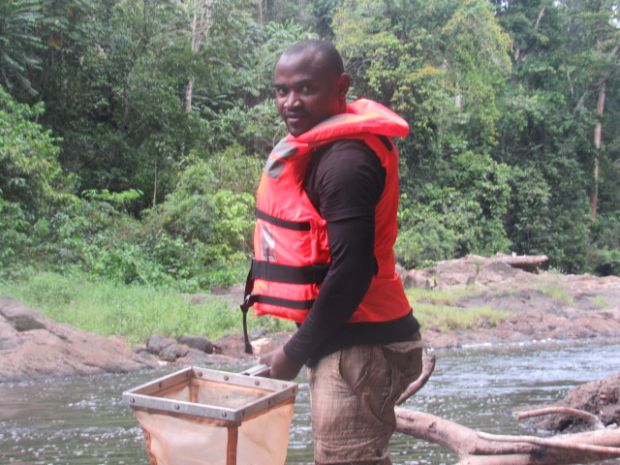
Prof. Norbert Tchamadeu Ngameni, PhD
Prof. Norbert Tchamadeu Ngameni is a Cameroonian ecologist, conservation scientist, and university lecturer with over fifteen years of experience in biodiversity conservation, wildlife management, environmental monitoring, and ecological research. As Chairperson of Biodiversity Action, he provides strategic guidance and scientific leadership to support the organization's mission of conserving biodiversity, empowering communities, and promoting sustainable development across Africa.
He is an Associate Professor in the Department of Animal Biology at the University of Dschang, Cameroon, where he teaches and mentors the next generation of conservation professionals. His academic expertise spans ecosystem ecology, protected area design and management, wildlife conservation, fisheries ecology, and environmental assessment. He has supervised numerous postgraduate research projects and contributed significantly to building scientific capacity in Cameroon and the wider Central African region.
His research focuses on biodiversity conservation, freshwater ecosystem health, environmental toxicology, ecological risk assessment, and the sustainable management of natural resources. He has authored and co-authored several scientific publications on protected areas, water quality monitoring, pesticide impacts on ecosystems, ecological indicators, and environmental conservation — work that has improved understanding of the relationship between human activities and ecosystem health.
Beyond academia, Prof. Ngameni has participated in numerous national and international conservation initiatives, scientific conferences, and environmental monitoring projects, working with research institutions, government agencies, and international partners to promote evidence-based conservation. His commitment to scientific excellence has earned recognition through several grants, professional affiliations, and contributions to international peer-reviewed journals as both researcher and reviewer.
As Chairperson, he champions the integration of science, education, and community engagement to address pressing environmental challenges, believing that effective conservation requires collaboration between researchers, local communities, policymakers, and civil society.